
The Cincinnati Zoo & Botanical Garden’s new Harry and Linda Fath Elephant Trek will open to the public on Oct. 1. This new habitat is about five times the size of the zoo’s current elephant yards – featuring naturalistic trees, mud wallows, grasses, pools and streams.
Before the public opening, Executive Director Thane Maynard and the Cincinnati Zoo team hosted a sneak preview of the elephant habitat and new event space this week to thank the donors who helped make Elephant Trek possible.

The fundraising for the multimillion-dollar habitat was part of the $150 million “More Home to Roam” capital campaign. Local philanthropists Harry and Linda Fath provided $50 million toward that goal in 2018. This undertaking was the largest in the zoo’s more than 150-year history.
Zoo members will get a chance to have their own advanced preview of Elephant Trek, the weekend before it opens to the public.
“Linda and I couldn’t be more thrilled to see the elephant herd thriving in their new space,” Harry Fath said during the preview event.
Of his family’s donation, he said: “It’s important to us that future generations get the chance to see and be inspired by these amazing creatures.”
“The work that Cincinnati Zoo does to care for elephants here and in Asia is something that we are proud to support,” Fath continued. “In short, our motivation for this gift was to give a gift to the citizens of Greater Cincinnati.”
An elephant-sized experience
The Cincinnati Zoo broke ground on Elephant Trek way back in 2021 – and what a difference a few years can make. The design team transformed the four acres of terrain into a themed space that aims to mirror the landscape of a Southeast Asian forest. But it also features some vegetation found in the Cincinnati area, such as Catalpa, which is similar to what elephants would live amongst in other places around the world.
Guests will enter the habitat through the Komminsk Asian Waterfall Garden. Once inside, visitors will have the chance to check out the zoo’s current herd of Asian elephants – including a bull elephant, Sabu; the females Anuk, SheRa, Jati, Mai Thai and Schottzie; and two young males, Kabir and Sanjay.
The Cincinnati Zoo – a member of the Association of Zoos and Aquariums’ Saving Animals From Extinction Asian Elephant Program – hopes that Sabu will sire calves with the younger females. The International Union for Conservation of Nature considers Asian elephants a “threatened species,” with fewer than 50,000 living in the wild.
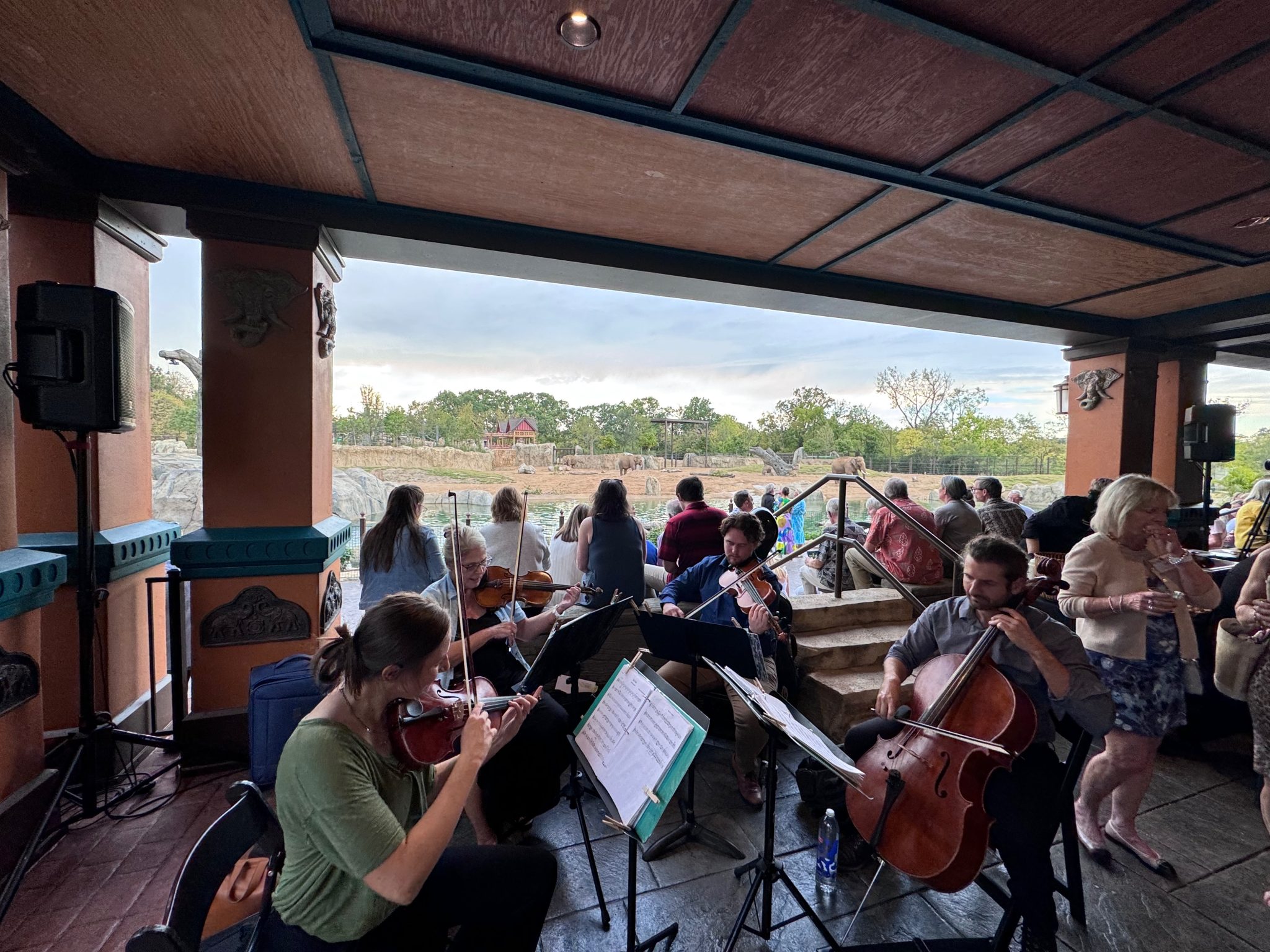
In Elephant Trek, the herd of elephants will have access to many inside spaces in the 22,000-square-foot Farmer Family Foundation Elephant Center, as well as three outdoor yards. This flexible design allows the elephant keeper team to manage the herd as a whole or as individuals, according to zoo officials. That will be helpful during the introduction phase, which requires the ability to separate groups.
Guests will be able to view elephants in both the indoor and outdoor environments.
Phase 2 of Elephant Trek will open in the spring of 2025. It’ll include habitats that will allow for the introduction of other animal species – siamangs, babirusa, rhinoceros hornbills and even small-clawed otters.
There is no extra fee to enter Elephant Trek.
Discover more from Movers & Makers
Subscribe to get the latest posts sent to your email.