
The Cincinnati Zoo and Botanical Garden’s newest residents wasted no time making themselves at home. Southern sea otters Chloe and Kevin were out exploring their new Sea Otter Coast habitat Monday morning, delighting onlookers with flips, swims and playful antics.
Chloe, a 13-year-old female, served as a surrogate mom to orphaned sea otter pups and helped them return to the wild. Kevin, a 1½-year-old male, became stranded as a pup. The U.S. Fish and Wildlife Service declared him non-releasable.

The duo arrived from an unspecified zoo facility late yesterday afternoon and did so well in their indoor space that their care team decided to fast-track the outdoor exploration, Cincinnati Zoo curator of mammals Kim Scott said.
“They went right out and played in the waterfall and did flips in the deep end,” Scott said.
Supporting the well-being of animal species
The Cincinnati Zoo has a history of participating in species recovery programs, including efforts with manatees, Mexican wolves and American burying beetles. A pair of recently arrived black bear cubs in Bear Ridge, adjacent to Sea Otter Coast, have been “extremely popular with guests and are raising awareness about how humans can coexist with these amazing creatures,” Scott said.
When it comes to sea otters, the Cincinnati Zoo partners with the Elakha Alliance, a nonprofit that works to restore populations in Oregon. The zoo, already home to Asian small-clawed otters and North American river otters, is now housing Southern sea otters for the first time.
Southern sea otters, also known as California sea otters, live in the waters along the central California coastline. Historically, sea otters numbered in the hundreds of thousands in the North Pacific Ocean, but due to the fur trade, their numbers plummeted in the early 1900s. Oil spills further threatened the species, prompting its listing as threatened in 1977.
Today, Southern sea otters remain listed as threatened under the Endangered Species Act.
Getting an up-close experience
The otters’ Cincinnati enclosure, in the new North America habitat, features a saltwater pool and natural elements native to their natural habitat.
Zoogoers have two ways to experience the otters in their new habitat. Above-water viewing offers a raised planter filled with native plants important to regional Indigenous groups and Ohio wildlife, along with a view over the saltwater pool where otters can be seen floating or frolicking. Below-water viewing provides a shaded perspective of the otters’ aquatic adaptations, along with a smaller habitat featuring seasonally rotating species.
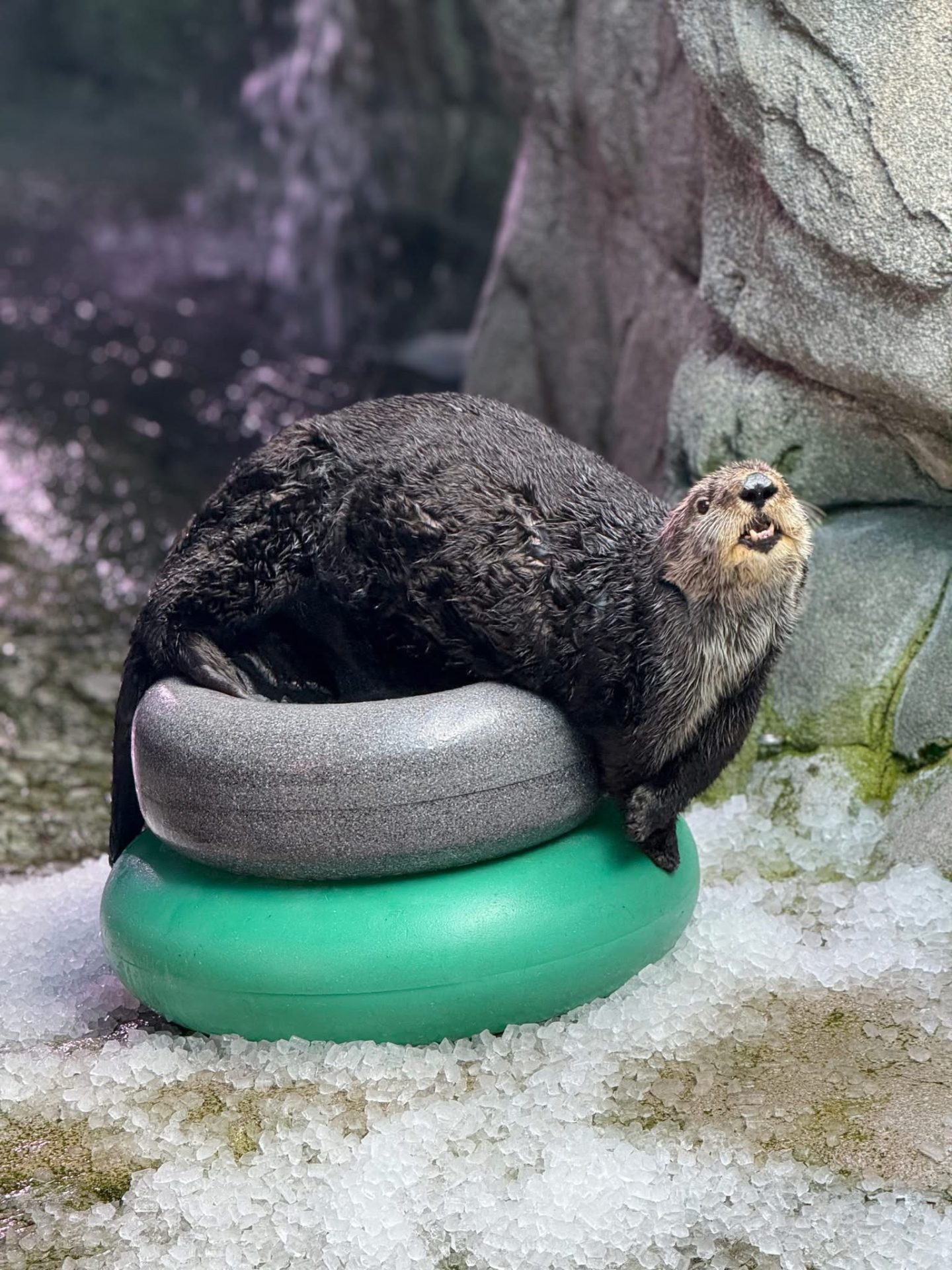
Scott said Sea Otter Coast also highlights the work the zoo and its partners are doing through activities, signage and in-habitat storytelling. Most importantly, she’s happy the Cincinnati Zoo offers a forever destination to otters who can’t return to their native waters.
“We’re excited to highlight species that are found closer to home,” Scott said.
Discover more from Movers & Makers
Subscribe to get the latest posts sent to your email.