
For 15 years, Kurt Reiber has led Freestore Foodbank through an era of unprecedented growth, turning the nonprofit into the region’s largest emergency food provider and expanding its reach across Ohio, Kentucky and Indiana.
Now, as he prepares to step down this summer, the organization must fill his sizable shoes. The board has tapped Kreg Keesee, a veteran operations and finance executive, to succeed Reiber as president and CEO and build on the organization’s strong foundation while navigating evolving challenges.
Stepping into that role is “honestly humbling,” Keesee said, noting that Reiber helped usher in innovations in both how food is delivered where it is needed but also in providing the many support services needed by our neighbors.
“What I keep thinking about is the legacy of compassion and community he’s built,” Keesee continued. “I’m not here to replace that. I’m here to honor it and build upon it.”

With the Freestore Foodbank facing rising demand and new social pressures, the board turned to Keesee, whose career in operations and finance has been defined by building high-performing teams, guiding organizational change and translating strategy into measurable results.
Keesee most recently served as interim chief financial and operating officer at The Springer School and Center. He previously held executive roles at Cold Jet, Michelman, Sun Chemical and Procter & Gamble.
“Kreg brings a proven track record of building high-performing teams and turning strategy into action,” board Chair Dwinelva Zackery said. “We are confident he is the right leader to guide Freestore into its next chapter.”
Building on a 15-year foundation
Reiber became CEO in July 2011 with the goal of providing “some continuity to the position and the Freestore for the future.” Over the last decade and a half, the organization expanded dramatically in both scale and scope.
Net assets in the Freestore Foodbank Foundation grew from $5 million to $30 million during his tenure, while total assets across all entities increased from $20 million to $82 million. Fundraising rose 264%, bolstered by the 2020 Growing Beyond Hunger capital campaign.
Annual food distribution climbed 140% to more than 40 million pounds. SNAP-equivalent meals increased from 4 million to more than 12 million each year, and community investments rose from $12 million to about $30 million.
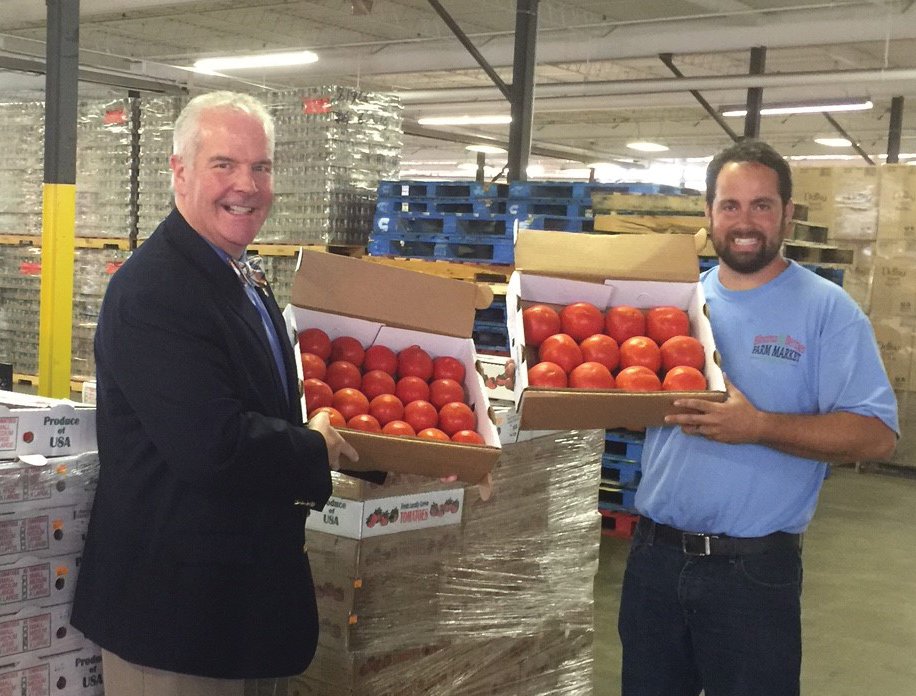
Under Reiber’s leadership, annual meals distributed reached 47.2 million, and nearly 12,000 volunteers took part in making that happen. The downtown Cincinnati-based organization also launched the LIFT the TriState and KIND programs and expanded its network to 579 community partners – food pantries, soup kitchens and emergency food providers across the Freestore Foodbank’s three-state region.
A founding member of Feeding America, Freestore Foodbank is now the region’s largest emergency food provider.
“I feel fortunate to walk into an organization with such a strong foundation and such a committed team,” Keesee said.
A region facing rising need
Keesee assumes leadership at a time when demand continues to climb across Freestore’s 20-county service area.
A December report from The Cincinnati Enquirer found that food insecurity affects 274,000 people in the region, including 82,000 children, up from roughly 250,000 in the years following the height of COVID-era relief.
Freestore Foodbank distributed more than 47 million meals in its most recent fiscal year and works with 579 pantry partners across the three states it serves. Over the summer and fall alone, 2,200 new families shopped at its two markets, and 1,750 families received food at a single holiday distribution event.
Nearly a quarter of Cincinnati households live at or below the poverty line.
“There are a lot of families in our region who are up against rising costs, instability, and tough choices,” Keesee said. “Food insecurity is never just about food; it’s about housing, transportation, wages, childcare. Freestore Foodbank is often the first line of support when someone hits a crisis, and that’s why this work matters so much right now.”

Even with that urgency, Keesee said the most pressing part of his new job is listening and understanding the organization from the inside out.
Keesee is no stranger to the needs of nonprofits or the local not-for-profit community. He serves on the board of the Cincinnati Regional Chamber and on committees for the United Way of Greater Cincinnati. He also spent a decade on the board of trustees of the Southwest Ohio Regional Transit Authority, including six years as chair, overseeing a public system that connects residents to jobs, education and essential services.
Keesee plans to spend his first three months or so at Freestore Foodbank simply learning the job. That means interacting or even shadowing staff and volunteers, but also meeting with partner agencies, donors, neighbors, even the people the foobank serves – “everyone who makes this place happen.”
Reiber plans to remain on the job until July 10 to assist with the transition.
“My first 100 days are really about getting to know people and listening,” Keesee said. “I’ve spent a lot of my career helping organizations build strong teams and turn strategy into real, tangible action, and I know that starts with understanding what’s already working” and where they see opportunities.
“This work is too important to come in with assumptions,” he added.
That listening tour, Keesee said, will help ensure the organization stays aligned with both its mission and the region’s evolving needs.
“What gives me hope is the network we have – a mission driven team, hundreds of partner organizations, thousands of volunteers, and a generous community that steps up again and again,” Keesee said.
Discover more from Movers & Makers
Subscribe to get the latest posts sent to your email.